
Many people believe colouring requires artistic talent or expensive design software to create engaging pages. That assumption overlooks how artificial intelligence has revolutionised the entire process, making custom colouring accessible to everyone. AI-powered platforms now transform simple text descriptions into professional line art in seconds, eliminating traditional barriers. This guide explores how AI simplifies colouring book creation, teaches effective prompt strategies, and reveals practical applications for creativity, education, and family enjoyment.
Table of Contents
- How AI Simplifies Colouring Book Creation
- Crafting The Perfect Prompt For AI Colouring Pages
- AI Models For Realistic And Consistent Image Colourisation
- Leveraging AI Colouring For Creativity, Education, And Family Fun
- Discover Free AI Colouring Pages At Crayono
- FAQ
Key takeaways
| Point | Details |
|---|---|
| AI removes skill barriers | Generate professional colouring pages without illustration expertise or costly software. |
| Prompt quality matters | Clear, structured prompts with style specifications produce superior AI-generated line art. |
| Human judgement enhances results | Combining AI brainstorming with selective editing yields the best colouring outputs. |
| Advanced models ensure realism | Deep learning achieves semantically consistent, vibrant colourisation from line art. |
| Multiple applications exist | AI colouring supports creative expression, educational development, and family bonding. |
How AI simplifies colouring book creation
Traditional colouring book production demands illustration skills, design software proficiency, and significant time investment. Artists spend hours sketching, refining outlines, and ensuring consistent line weights across pages. This complexity creates barriers for parents, educators, and hobbyists wanting custom colouring content. AI-driven colouring book creation streamlines the design process, reducing the need for traditional illustration skills and expensive software.
AI tools generate clean line art from text prompts in under a minute. You describe your desired image, specify style preferences, and receive multiple colouring page options instantly. This efficiency enables rapid production of themed collections, whether you need dinosaur pages for a birthday party or botanical illustrations for a classroom project. The technology handles technical aspects like outline clarity and composition balance automatically.
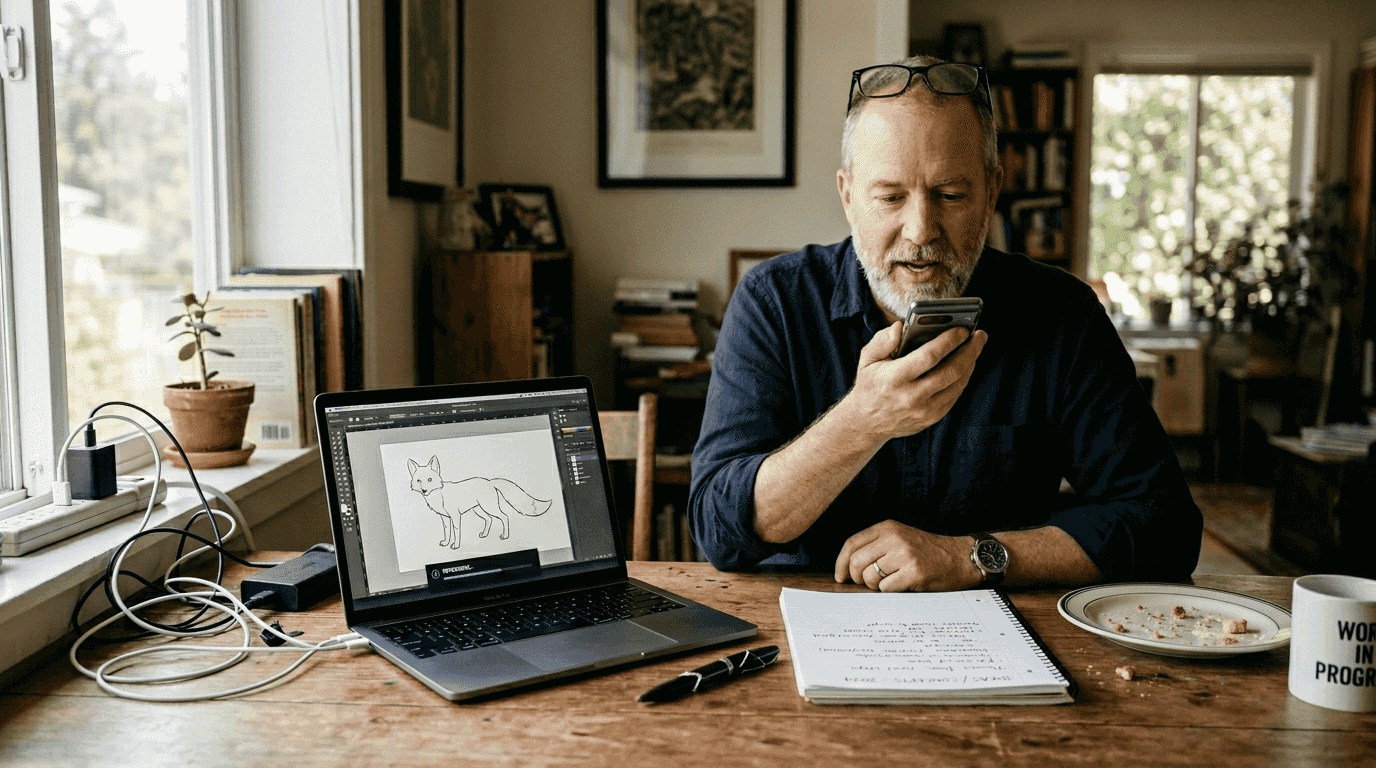
The volume advantage proves particularly valuable for educators and content creators. Generate 20 unique animal colouring pages in the time previously required for one hand-drawn illustration. This scalability transforms how you approach creative projects, shifting focus from technical execution to concept development and curation. Non-artists now publish professional-looking colouring books by leveraging AI capabilities combined with thoughtful theme selection.
Pro Tip: Start with broad themes like "woodland creatures" or "ocean life" to explore AI capabilities before refining prompts for specific visual styles.
Platforms offering free AI colouring pages democratise access further by removing cost barriers entirely. You experiment with different subjects and styles without financial risk, discovering what resonates with your audience. This accessibility encourages creative exploration and rapid iteration, essential elements for developing engaging colouring content.
Crafting the perfect prompt for AI colouring pages
Prompt engineering determines output quality when generating AI colouring pages. A vague description like "draw a cat" produces unpredictable results, whilst a structured prompt yields consistent, usable line art. Effective prompt engineering is crucial for generating high-quality colouring pages with AI. Understanding prompt components transforms random outputs into targeted creative assets.
Successful prompts include five essential elements:
- Subject description with specific details
- Style specification mentioning "colouring book" or "line art"
- Technical requirements like "bold outlines" and "no shading"
- Background instruction, typically "white background"
- Complexity level appropriate for intended age group
Consider this template: "A playful dolphin jumping through waves, colouring book style, bold black outlines, no shading or gradients, simple details suitable for ages 5-8, white background." Each component guides the AI towards producing printable, age-appropriate line art. Omitting technical specifications often results in shaded images or complex backgrounds unsuitable for colouring.
Iterative refinement improves results significantly. Generate multiple variations, identify successful elements, and adjust prompts accordingly. If outlines appear too thin, add "thick, bold lines" to your next attempt. When images contain excessive detail, specify "simple shapes" or "minimal background elements." This experimental approach builds your prompt library over time.
Pro Tip: Save successful prompts in a document with thumbnail previews to quickly recreate winning formulas for future projects.
Balancing creative freedom with output control requires practice. Overly restrictive prompts limit AI creativity, whilst vague descriptions produce inconsistent results. Aim for clear subject and style direction whilst allowing the AI flexibility in composition and pose. This balance yields surprising, delightful variations you might not have imagined independently. Resources like AI and environment insights demonstrate how thoughtful AI application enhances rather than replaces human creativity.
AI models for realistic and consistent image colourisation
Beyond generating line art, artificial intelligence now colours images with remarkable realism and semantic accuracy. Deep learning-based image colourisation leverages GANs and diffusion models integrated with semantic understanding and user-guided controls. These advances transform how we approach digital colouring, offering automated assistance whilst preserving creative control.
Generative Adversarial Networks analyse millions of coloured images to learn natural colour relationships. When presented with line art, these models predict appropriate colours based on object recognition and contextual understanding. A tree receives green foliage and brown bark automatically because the AI recognises these semantic relationships. This intelligence prevents illogical colour assignments that would occur with random colourisation.
| Model Type | Key Strength | Best Application |
|---|---|---|
| GANs | Realistic texture generation | Photographic colourisation |
| Diffusion models | Fine detail preservation | Intricate line art |
| Transformer-based | Semantic consistency | Large-scale scenes |
| Hierarchical attention | Region-level control | Manga and comics |
Recent innovations like MangaDiT employ hierarchical attention mechanisms for superior region-level colour consistency. MangaDiT achieves superior performance in reference-guided line art colourisation compared to state-of-the-art approaches. This model allows you to provide reference images, ensuring characters maintain consistent colour schemes across multiple pages, essential for comic books and serialised colouring content.
User-guided controls offer the best of both worlds. You specify colour preferences for key elements whilst letting AI handle complex shading and gradient work. Point to a character's shirt and select blue, then watch the AI apply appropriate shadows, highlights, and colour variations automatically. This collaboration speeds the colouring process dramatically whilst maintaining your creative vision.
These technologies bridge the gap between simple line art and vibrant finished colouring pages. Whether you prefer digital colouring or seek inspiration for traditional media, AI colourisation demonstrates colour harmony possibilities you might not have considered independently.
Leveraging AI colouring for creativity, education, and family fun
AI colouring applications extend far beyond simple entertainment, supporting artistic development, educational objectives, and meaningful family engagement. The technology's flexibility adapts to diverse needs whilst maintaining accessibility for all skill levels. Understanding these applications helps you maximise AI colouring's potential in daily life.
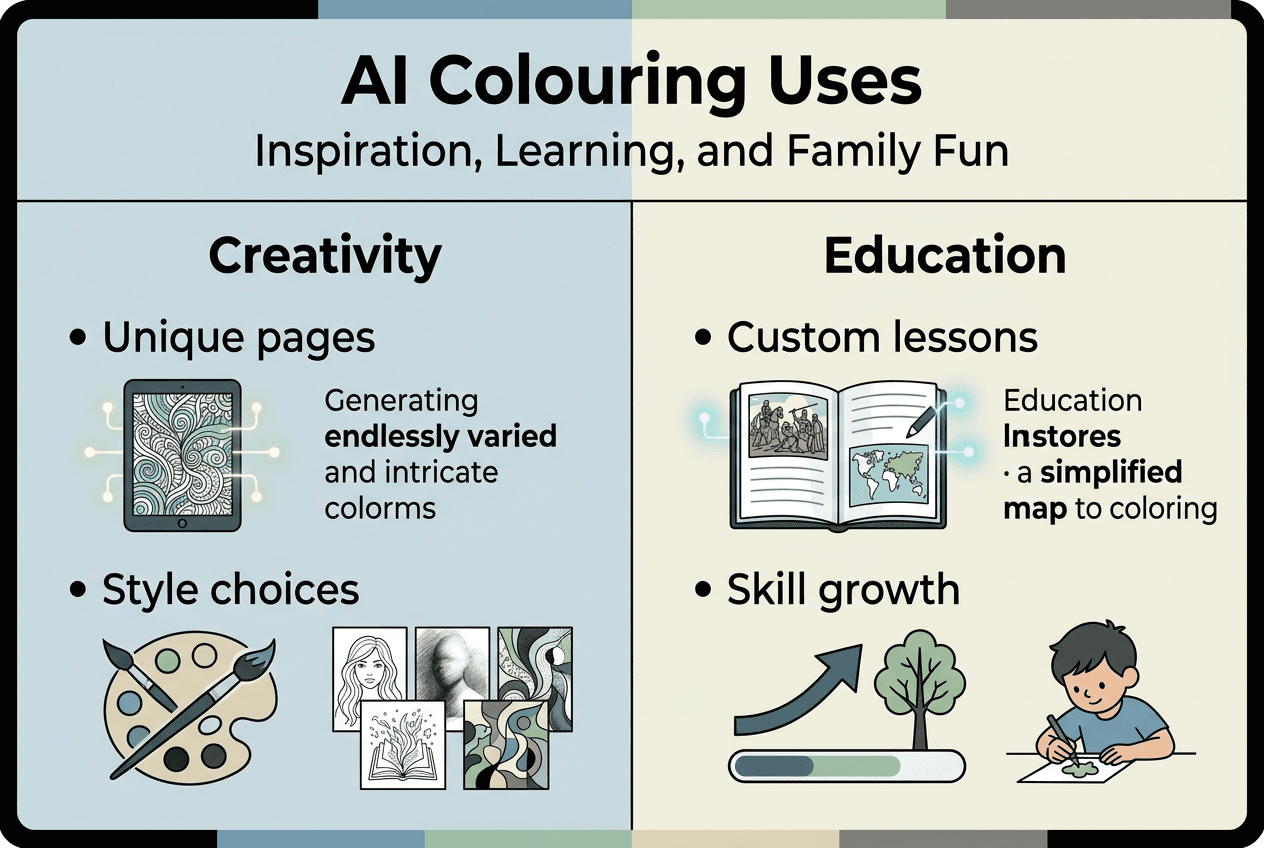
Artistic self-expression flourishes when technical barriers disappear. Children describe fantastical creatures from their imagination and receive colouring pages featuring their unique visions within seconds. This immediate feedback loop encourages creative thinking and storytelling. Adults explore artistic styles and colour combinations without investing in expensive supplies or training, building confidence through experimentation.
Educational applications prove particularly valuable:
- Generate custom worksheets featuring vocabulary words illustrated with relevant imagery
- Create historical figure colouring pages that complement lesson plans
- Produce scientific diagrams as engaging colouring activities reinforcing concepts
- Design personalised reward certificates featuring student interests
Research demonstrates tangible developmental benefits. Colouring activities enhanced by AI help identify and develop children's visual-motor integration skills. The precision required for staying within lines strengthens fine motor control whilst colour selection exercises decision-making abilities. Customised difficulty levels ensure age-appropriate challenges that support rather than frustrate learners.
Family bonding opportunities emerge naturally through collaborative AI colouring projects. Parents and children brainstorm prompt ideas together, discussing what makes effective descriptions. Siblings compare their colour choices for identical line art, celebrating individual creativity. Grandparents share nostalgic themes from their childhood, generating vintage-style colouring pages that spark intergenerational conversations.
AI colouring transforms passive screen time into active creative engagement, offering families shared experiences that balance technology with traditional hands-on activities.
Hybrid approaches combining digital and physical colouring maximise enjoyment. Generate pages on AI colouring activities on Crayono, print favourites for traditional colouring with pencils or markers, then photograph and digitally enhance completed work. This workflow preserves the tactile satisfaction of physical colouring whilst leveraging digital tools for final presentation and sharing.
Discover free AI colouring pages at Crayono
Ready to experience AI colouring yourself? Crayono offers an accessible platform where you generate custom colouring pages instantly without artistic skills or software knowledge. Simply describe your desired image in a sentence, and watch AI transform your words into professional line art within 30 seconds. The platform provides free AI colouring pages weekly, encouraging experimentation across unlimited themes and styles.
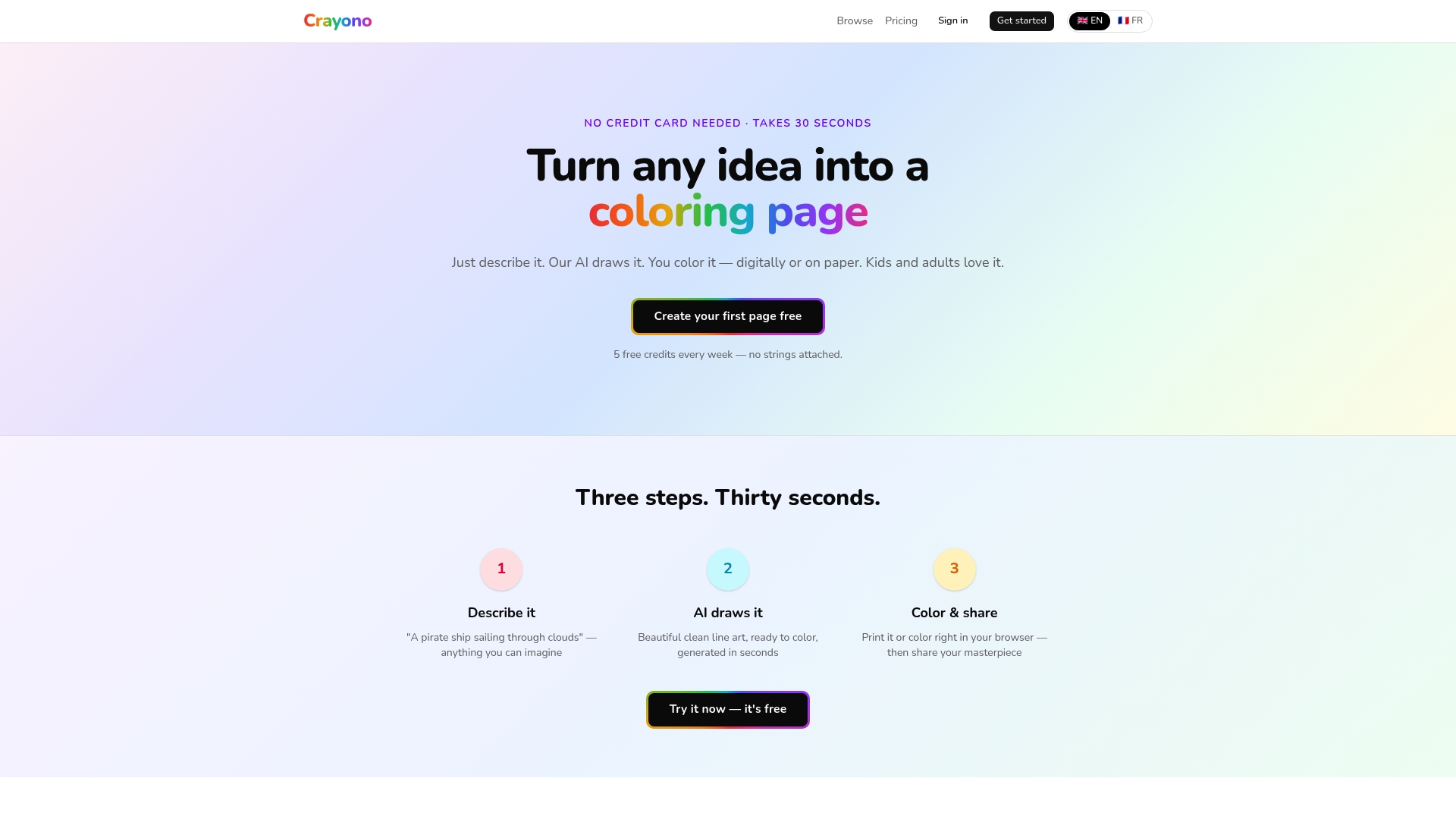
Whether you're a parent seeking educational activities, an educator building lesson resources, or a creative individual exploring new hobbies, Crayono eliminates traditional barriers to custom colouring content. No credit card required, just quick sign-up and immediate access to AI-powered creativity. Colour your creations digitally or print them for traditional colouring sessions. Visit AI colouring activities on Crayono today and transform your ideas into engaging colouring pages that inspire and delight.
FAQ
What is AI colouring and how does it work?
AI colouring uses artificial intelligence to generate line art from text descriptions or automatically colour existing images. You provide a prompt describing your desired subject and style, then machine learning models analyse your input and produce corresponding visual outputs. The technology interprets language, recognises objects and scenes, and applies learned patterns from millions of training images to create new colouring content matching your specifications.
Can AI colouring be used for children's education?
AI colouring strongly supports educational objectives by creating customised learning materials and developing motor skills. Colouring activities enhanced by AI help identify and develop children's visual-motor integration skills essential for writing and coordination. Teachers generate subject-specific illustrations reinforcing lessons, whilst parents create personalised pages matching their child's current interests and learning level. The immediate availability of custom content maintains engagement better than generic colouring books.
How do I create high-quality colouring pages using AI?
High-quality results require detailed prompts specifying subject, style, technical requirements, and complexity level. Successful AI colouring depends heavily on clear, structured prompts and human judgement to refine outputs. Include phrases like "colouring book style," "bold outlines," and "white background" in every prompt. Generate multiple variations, critically evaluate results, and iteratively adjust your descriptions based on what works. Visit the AI colouring book creation guide for comprehensive prompt templates and best practises.
Are there any free resources for trying AI colouring?
Yes, platforms like Crayono provide free access to AI-generated colouring pages without requiring payment or extensive registration. These services offer weekly credits allowing you to experiment with different themes and styles at no cost. Free AI colouring pages make the technology accessible to families, educators, and hobbyists wanting to explore AI capabilities before committing to paid tools. Free resources typically include both generation and digital colouring features, providing complete creative experiences.